












Knowledge

Health doesn’t start with a single pill, but with the interplay between the nervous system, exercise, breathing, nutrition and recovery. Here you’ll find the knowledge behind it all.

Mann in Morgenroutine hält Wasserglas in offener Küche – Alltagsszene zu Energie und Konzentration bei Jodmangel. (generiert mit KI)

Iodine Deficiency in Germany: The Nutritional Gap That Probably Affects You

Are you constantly tired, feel colder than before, and have the impression that your mind isn't as sharp as usual? The cause could be a single nutritional deficiency: iodine deficiency.

Stress abbauen: Regeneration statt Pause

Reducing stress: Regeneration instead of a break

Regeneration is a process that the nervous system must actively control, and this process can be specifically supported.

Brain Fog: Mann hält sich erschöpft die Stirn am Laptop – Konzentrationsschwäche und mentale Erschöpfung im Arbeitsalltag.

Brain Fog: Dein Gehirn ist nicht neblig, sondern unterversorgt

Erfahre hier, was im Gehirn passiert, wenn der Nebel kommt.
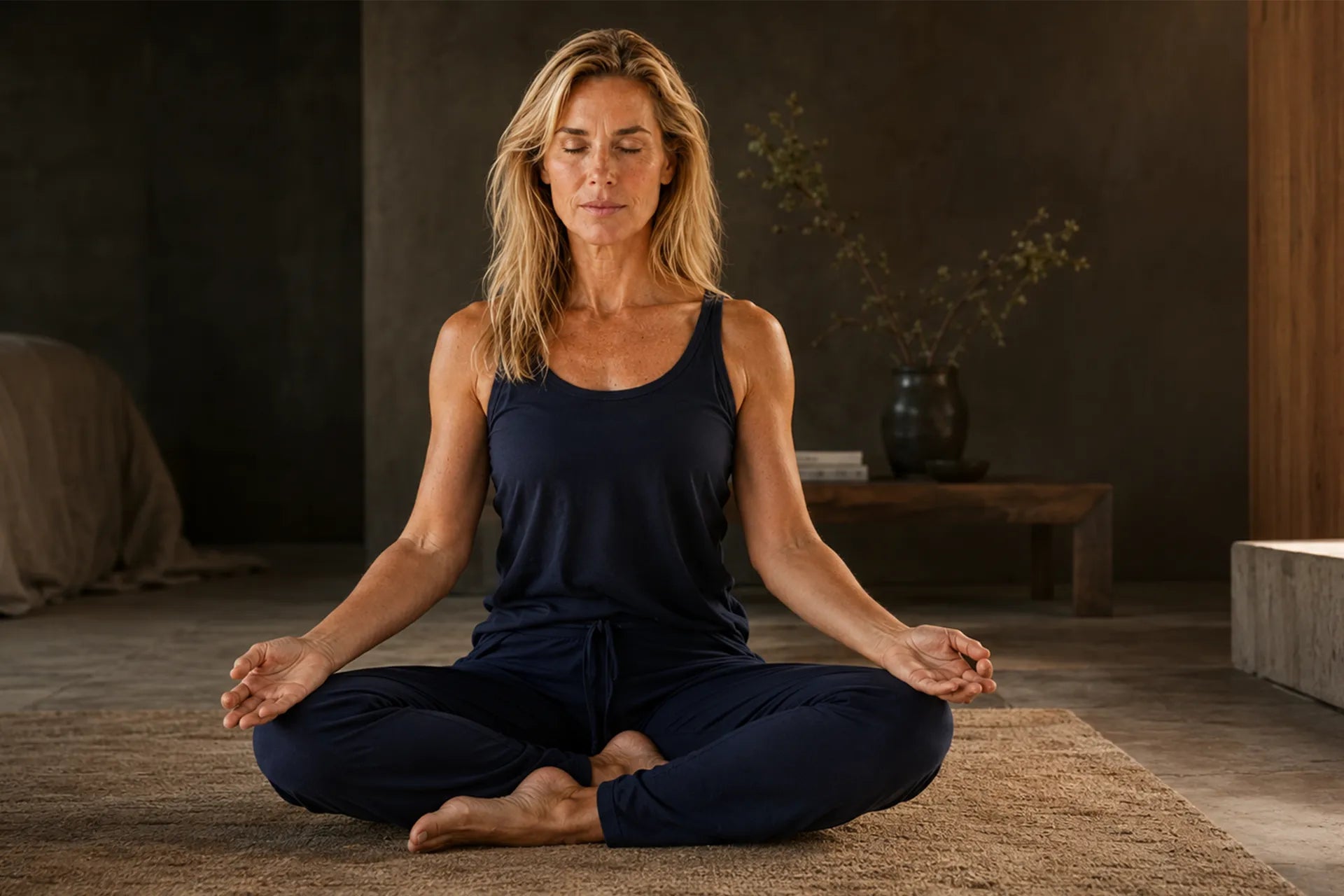
Frau sitzt mit geschlossenen Augen im Schneidersitz auf einem Teppich und meditiert, um ihr Nervensystem zu beruhigen.

Why "Just chill" isn't good advice – how to truly calm your nervous system

Here's what really happens in your nervous system when stress becomes chronic.
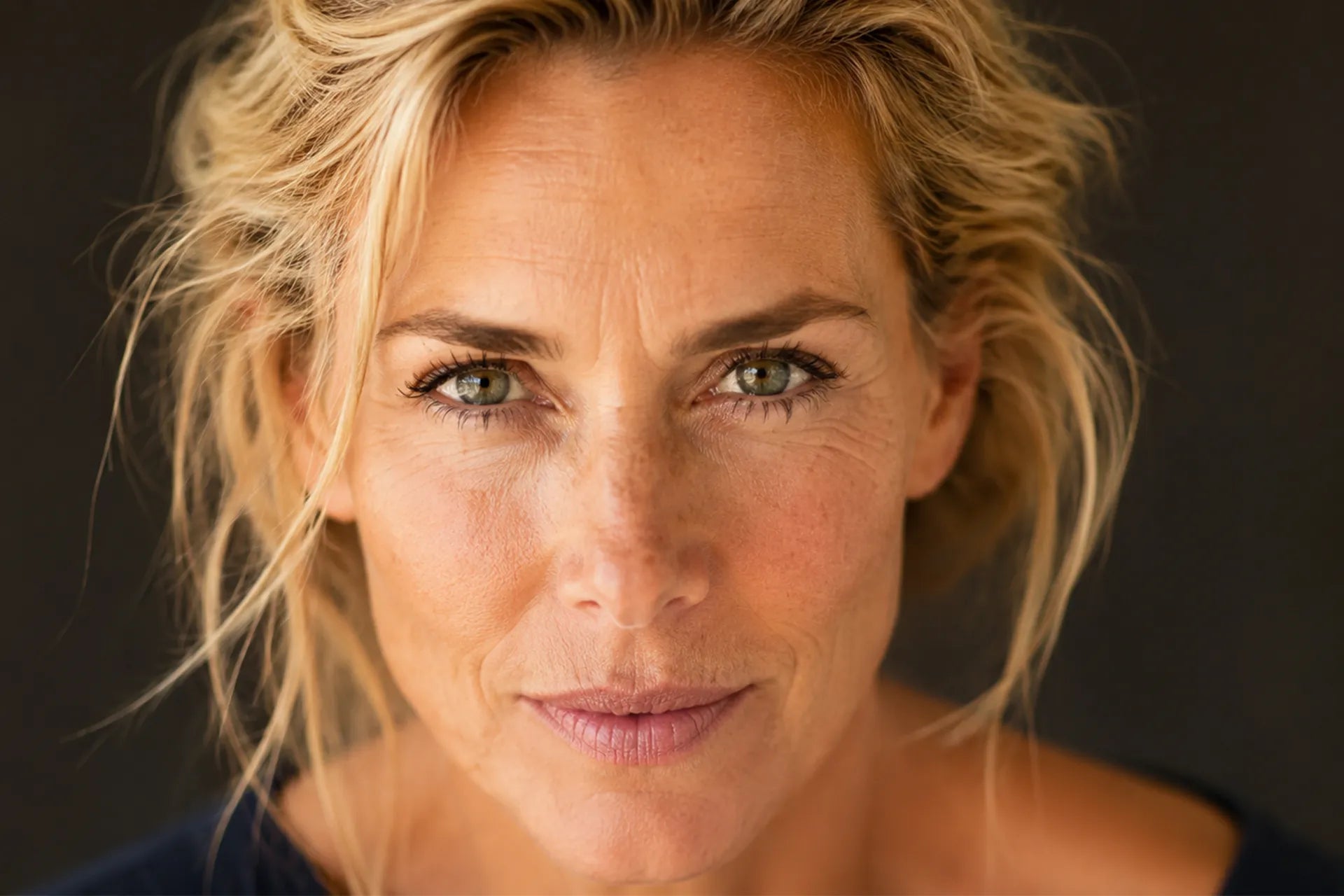
Blonde Frau in Nahaufnahme schaut entschlossen in die Kamera | Ganzheitliche Gesundheit

Holistic Health: Why a Pill Alone Is Never Enough

Holistic health means not optimizing one element in isolation, but understanding the interplay and purposefully supporting it. You can find out how to do that here.
Mann hält sich mit geschlossenen Augen das Gesicht | Holistische Gesundheit

Holistic Health: Why We're Sick, Tired, and Unfocused – and What Evolution Has to Do With It

Holistic health begins with the question: What world was your body built for – and what world does it live in today?

Holistic Health | Mann schaut geradeaus

Holistic Health: Why Your Body Isn't Just a Collection of Separate Parts

Health is not an isolated problem but a system. Holistic Health explains why – and what that means for your everyday life.
Portrait von Neurobiologe Martin Korte.

“Multitasking remains a stress-induced and unproductive myth”

Interview with neurobiologist Prof. Dr. Martin Korte

Ein stilisiertes Gehirn auf dunkelblauem Hintergrund, das das Thema Biohacking symbolisiert.

Biohacking tools and tips for everyday life – optimise your body and mind

Find out what's behind the trend and how you can use it in your everyday life.
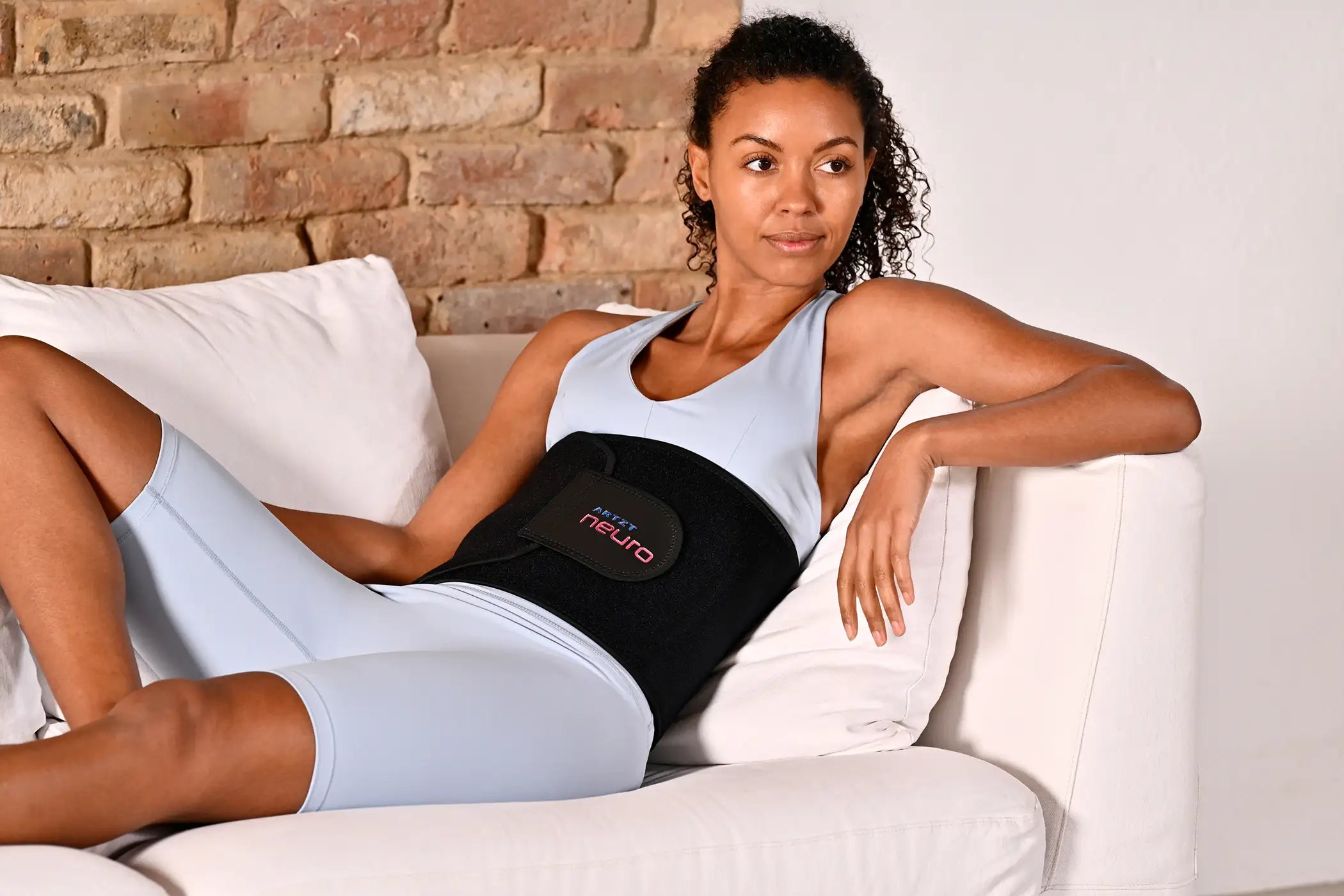
Frau aktiviert ihren Vagusnerv mit dem ARTZT neuro Atemgürtel

Activate and calm the vagus nerve: 3 exercises for more relaxation and less stress

This is how you activate and stimulate the "self-healing process" with 3 simple exercises.

Understanding health as a system

Many everyday ailments, such as exhaustion, poor concentration or inner restlessness, cannot be attributed to a single cause. ARTZT neuro therefore explains health as the interplay of several systems: the nervous system, exercise, breathing, nutrition and recovery work together and influence one another. This is precisely what the ARTZT neuro knowledge section is all about.

The Nervous System, Breathing and Movement in Everyday Life

Why do you often feel tired and unable to concentrate, even though you’re actually getting enough sleep? The answer often lies in a nervous system that has become unbalanced due to constant stress, shallow breathing and a lack of exercise. Our articles explore these connections and show how you can regain more energy in your daily life through targeted breathing and functional movement.

Nutrients and recovery as the foundation

Nutrition and recovery provide the biochemical basis for energy production and rest. We summarise the latest findings from integrative medicine and nutritional science in a practical way and without exaggeration, so that you can make informed decisions about what your body really needs.

Resilience rather than self-optimisation at any cost

Sustainable peak performance isn’t achieved through greater effort, but through better regulation. Our articles show how you can build resilience and push your system in a way that suits its nature, rather than pushing it to its limits, drawing on knowledge from neuroscience, training practice and expert discussions from the ARTZT-neuro network.